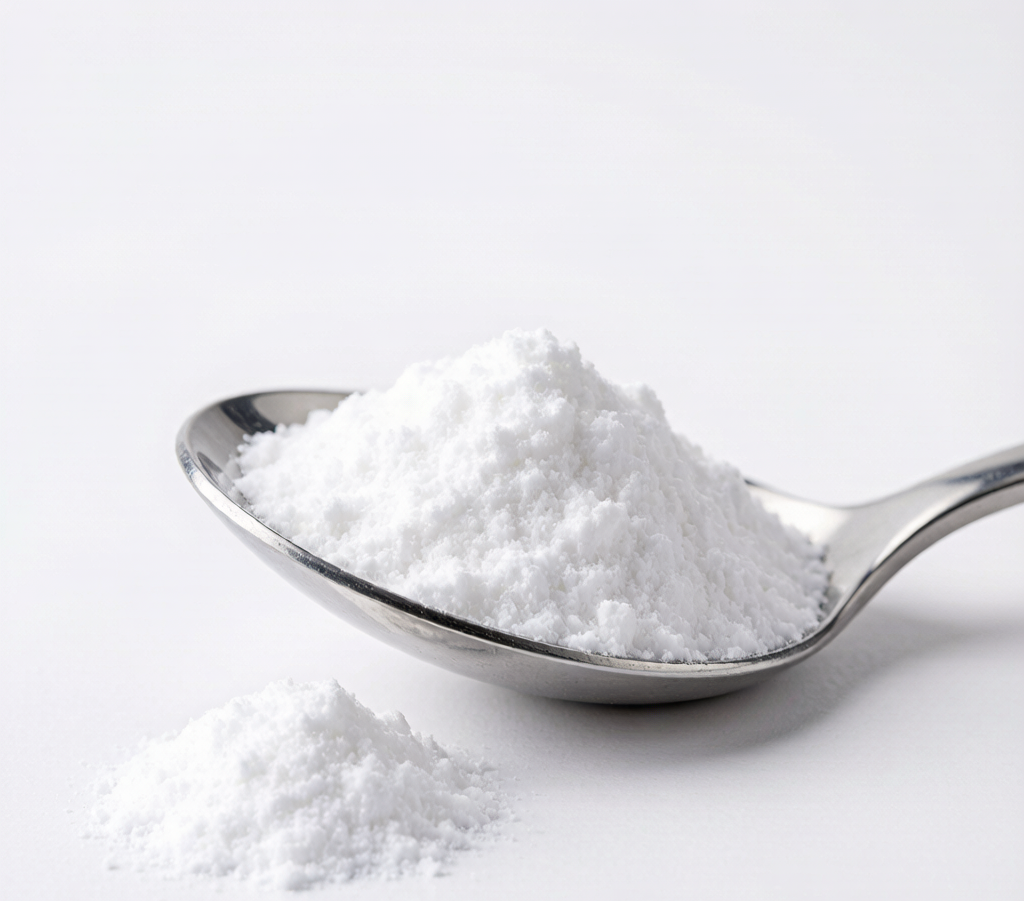
Hydroxyethyl Cellulose (HEC) is a nonionic, water-soluble cellulose ether produced by reacting alkali cellulose with ethylene oxide. It dissolves readily in both cold and hot water to form clear, viscous solutions, making it one of the most versatile thickeners and rheology modifiers in the chemical industry.
HEC is valued for its excellent thickening efficiency, superior water retention, broad pH stability (2-12), and compatibility with a wide range of salts, surfactants, and other additives. It is widely used in water-based paints and coatings, construction materials (tile adhesives, cement mortars), oil drilling fluids, personal care products, detergents, adhesives, and pharmaceutical formulations.
We supply HEC in multiple viscosity grades ranging from 300 to 150,000 mPa·s (2% solution, NDJ viscometer), with both technical grade and cosmetic grade available. Custom viscosity and packaging can be arranged upon request.
| Chemical Name | Hydroxyethyl Cellulose (Cellulose, 2-hydroxyethyl ether) |
| Molecular Formula | [C6H7O2(OH)x(OCH2CH2OH)y]n |
| Molecular Weight | ~10,000 - 1,000,000 g/mol (varies by grade) |
| Appearance | White to off-white free-flowing powder |
| Odor | Odorless |
| Bulk Density | 0.35 - 0.60 g/cm3 |
| Decomposition Temperature | ≥ 200°C |
| Solubility | Soluble in cold and hot water; insoluble in most organic solvents |
| pH Stability Range | 2 - 12 (stable across wide pH range) |
| Softening Point | > 140°C |
| Product Name | Hydroxyethyl Cellulose (HEC) |
| CAS Number | 9004-62-0 |
| EINECS Number | 618-389-1 |
| HS Code | 39123900 |
| Molar Substitution (MS) | 1.8 - 2.5 |
| Moisture Content | ≤ 5.0% |
| Ash Content | ≤ 5.0% |
| Water Insoluble Matter | ≤ 0.5% |
| pH (1% aqueous solution) | 5.0 - 8.0 |
| Particle Size | 98% pass 100 mesh |
| Residue on Ignition | ≤ 0.5% (cosmetic grade) |
| Grade | Technical Grade / Cosmetic Grade |
| Hazard Class | Non-hazardous (general cargo) |
| Grade | Viscosity (NDJ, 2% sol., mPa·s) | Viscosity (Brookfield, 1% sol., mPa·s) | Typical Application |
|---|---|---|---|
| HEC 300 | 240 - 360 | 240 - 360 | Low-viscosity thickening, spray applications |
| HEC 6000 | 4,800 - 7,200 | 4,800 - 7,200 | General-purpose paints, adhesives |
| HEC 30000 | 24,000 - 36,000 | 1,500 - 2,500 | Latex paints, construction mortars |
| HEC 60000 | 48,000 - 72,000 | 2,400 - 3,600 | Heavy-duty coatings, tile adhesives |
| HEC 100000 | 80,000 - 120,000 | 4,000 - 6,000 | Textured paints, cosmetics |
| HEC 150000 | 120,000 - 180,000 | 7,000 min | High-viscosity gels, toothpaste |
Method 1 (Direct addition): Add HEC powder slowly to vigorously stirred water at room temperature. Continue stirring for 15-30 minutes until fully dissolved. Adjust pH to 7-8 for optimal dissolution speed.
Method 2 (Pre-dispersion): Disperse HEC in a water-miscible organic solvent (e.g., ethanol, glycerin) to form a slurry, then add to water with stirring. This prevents lumping and accelerates dissolution.
Tip: Surface-treated (delayed dissolution) grades are available — they disperse first without thickening, then dissolve after a delay period, making them easier to incorporate in high-viscosity formulations.
| Package Type | Multi-ply paper bag with inner PE liner |
| Net Weight | 25 kg per bag |
| Container Loading | ~12-14 MT per 20ft container (palletized) |
| Shelf Life | 24 months from production date (under proper storage) |
| Storage | Store in cool, dry place below 30°C; protect from moisture and direct sunlight |
HEC is classified as non-hazardous. It is generally recognized as safe (GRAS) and non-toxic. However, avoid inhalation of dust and contact with eyes. Standard PPE (dust mask, safety goggles, gloves) is recommended when handling dry powder. HEC is biodegradable and environmentally friendly. Spills should be cleaned up promptly — wet HEC can create slippery surfaces. MSDS is available upon request.
Q: What is the difference between HEC and HPMC?
HEC is a nonionic cellulose ether soluble in both cold and hot water with excellent salt tolerance and broad pH stability (2-12). HPMC (Hydroxypropyl Methylcellulose) is also nonionic but has thermal gelation properties (gels when heated). HEC does not exhibit thermal gelation, making it preferred for applications requiring stable viscosity at elevated temperatures, such as oil drilling and water-based paints.
Q: Which viscosity grade should I choose?
For water-based latex paints, HEC 30000 or 60000 is most common. For cosmetics and toothpaste, HEC 100000 or 150000 provides the desired thick texture. For sprayable coatings, HEC 300 or 6000 offers lower viscosity for easy application. Contact us with your application details and we'll recommend the optimal grade.
Q: Do you provide surface-treated (R-grade) HEC?
Yes, delayed-dissolution grades are available. These disperse rapidly in water without lumping, then dissolve after a controlled delay (typically 5-15 minutes). This is especially useful for automated mixing systems and high-viscosity formulations.
Q: Can you supply cosmetic/pharmaceutical grade HEC?
Yes, we offer cosmetic-grade HEC with lower residue on ignition (≤ 0.5%) and compliance with cosmetic regulations. Pharmaceutical-grade (USP/EP) is available upon request with minimum order quantity.
